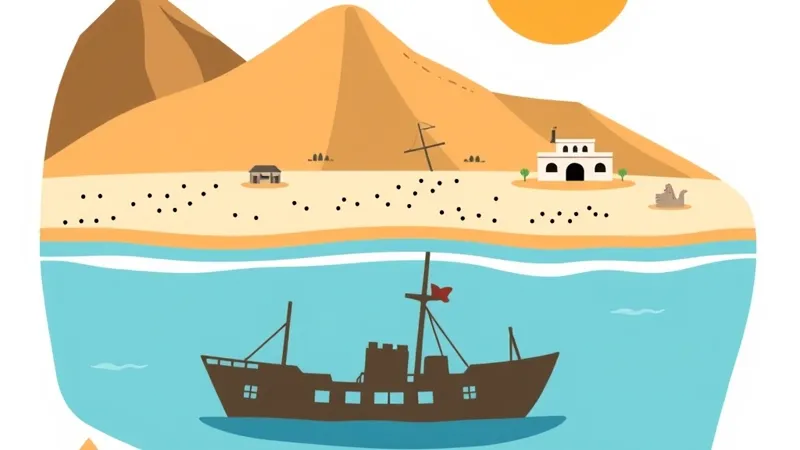
Namibia’s Coastal Heritage: Shipwrecks and Ghost Towns
Maritime archaeology, diamond settlements and the contrast between Lüderitz, Elizabeth Bay and Pomona.
Table of Contents
Namibia’s coastal heritage brings together maritime archaeology and settlements established after the discovery of diamonds in 1908. Elizabeth Bay and Pomona are described as ghost towns, while Lüderitz is contrasted with them as the town that survived. These histories offer a focused heritage perspective on Namibia, rather than a single confirmed sightseeing route.
What connects Namibia’s shipwrecks, diamond settlements and ghost towns?
The connection is coastal history, but the evidence describes two distinct themes. Shipwreck archaeology concerns the maritime past; the settlement story concerns towns established following diamond discoveries. Keeping those themes separate helps distinguish historical interest from the practical question of where to visit.
For readers building on broader Namibia planning guides, the named settlements provide a starting point for understanding southern coastal history. The shipwreck reference offers a wider archaeological theme without identifying a particular visitor destination.
What can the sources tell us about shipwreck heritage?
The National Parks overview references a significant shipwreck discovery alongside other archaeological and geological heritage. This establishes maritime archaeology as part of Namibia’s heritage story.
That reference does not identify the wreck, its location, its date or visitor arrangements. It therefore supports an interest in shipwreck heritage, but not a named sightseeing stop, cargo story or access recommendation. It also does not establish a visitor route linking a wreck to the diamond settlements discussed here.
How did diamond discoveries shape coastal settlements?
The Namib-Naukluft Park account states that several settlements were established along the coast after the discovery of diamonds in 1908. That sequence is the historical connection behind the settlement theme: diamond discovery was followed by the establishment of coastal communities.
The year anchors the broader history; it should not be read as the founding date of every individual town. Nor does this account establish why particular settlements later became ghost towns.
Why compare Lüderitz with Elizabeth Bay and Pomona?
The Southern Region account contrasts Lüderitz, which survived, with Elizabeth Bay and Pomona, described as having become ghost towns. These three names give the settlement history a concrete regional focus:
- Lüderitz: the surviving town in the account’s comparison.
- Elizabeth Bay: one of the settlements described as a ghost town.
- Pomona: the other named ghost town in that comparison.
This contrast illustrates different outcomes in the region’s settlement history. It does not establish current building conditions, visitor facilities or accommodation services. Three named places are not necessarily three available excursions.
How can this heritage theme inform a Namibia itinerary?
Choose the historical interest first. If diamond settlements are your focus, the southern-region history offers named places around which to develop your understanding. If shipwrecks are your focus, a specific wreck and documented visitor arrangements are needed before selecting a stop.
Keep accommodation and experience planning separate from those historical references. Namibia Travel Guide’s accommodation directory and experience directory are broader planning resources; their inclusion here does not mean they contain accommodation near these places or bookable heritage visits.
As an independent editorial affiliate guide, Namibia Travel Guide provides planning context rather than operating these visits. The evidence here supports a heritage theme, not a recommended route sequence or travel duration.
FAQ: What should readers know about Namibia’s coastal heritage?
When did diamonds begin shaping these coastal settlements?
The Namib-Naukluft Park account identifies the discovery of diamonds in 1908 and states that several coastal settlements were established afterward. It does not assign that founding year to every town.
Which named settlements became ghost towns?
The Southern Region account names Elizabeth Bay and Pomona as ghost towns.
Is Lüderitz also described as a ghost town?
No. The account contrasts Lüderitz’s survival with Elizabeth Bay and Pomona becoming ghost towns.
Can I visit the shipwrecks and ghost towns mentioned here?
The historical summaries do not establish current access or visitor arrangements. A heritage reference is not confirmation of permission, availability or a bookable excursion; confirm arrangements for the specific place before including a visit in your plans.
For the wider planning context, use our guide to Namibia’s regions and bases to consider gateways alongside your heritage interests.
Sources
The source records below are dated 19 October 2026. They support the historical context discussed here, not confirmation of current visitor arrangements.
- National Parks — reference to a significant shipwreck discovery within Namibia’s wider heritage.
- Namib-Naukluft Park — coastal settlements established following the discovery of diamonds in 1908.
- Southern Region — the contrast between surviving Lüderitz and the ghost towns of Elizabeth Bay and Pomona.
Before You Go: Quick Planning Checklist
- Check the weather and current local conditions for your travel dates.
- Confirm your departure base, pickup and onward transfers.
- Book your tour and hotel with flexible options when possible.
- Read local safety guidance before excursions.